

In the first three quarters, the airline industry made a profit of 20.12 billion yuan, a year-on-year increase of 107.7%.
Medium intensity obstruction light type B suppliers,
low price Medium intensity obstruction light type B,
Medium intensity obstruction light A type suppliers,
low price Medium intensity obstruction light A type.
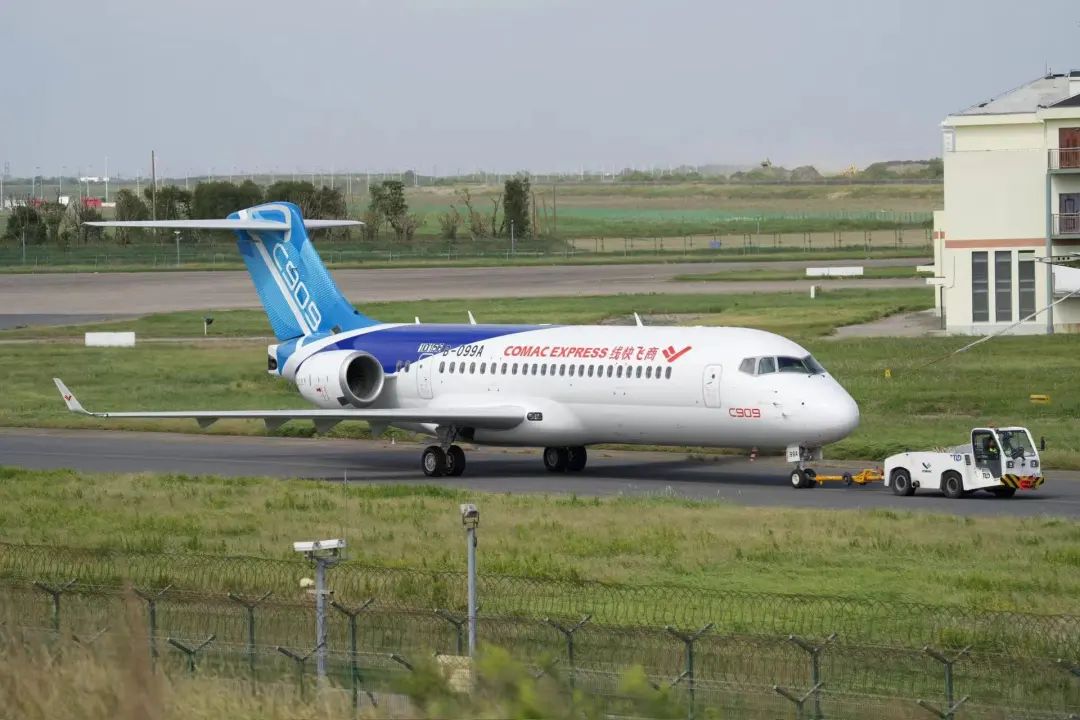
On October 14, the China Air Transport Association held an information communication meeting for the third quarter of 2024 for the governing units.
Pan Yixin, executive vice president of the China Air Transport Association, made an information report for the third quarter of 2024. Against the backdrop of basically stable global economic growth, my country's economy continuing to recover and maintaining overall stability, domestic airlines' transportation production showed a rapid growth momentum in the third quarter. In the third quarter, a total of 1.467 million passenger flights were completed, a year-on-year increase of 6.2%; passenger transportation volume exceeded 200 million, a record high, a year-on-year increase of 12.3%, and an increase of 15.2% over the same period in 2019; cargo and mail transportation volume was 2.316 million tons, a year-on-year increase of 19.4%, and an increase of 19.6% over the same period in 2019; aircraft daily utilization rate was 9.5 hours, an increase of 0.6 hours year-on-year; the overall passenger load factor reached 85%, an increase of 4.6 percentage points year-on-year.
The report shows that driven by the peak summer season, the overall revenue level of airlines in the third quarter of 2024 increased by 10% month-on-month, and the average ticket price level increased by 13.5% month-on-month. However, affected by various external factors, passenger revenue levels and average fares have declined to a certain extent compared with the same period last year. In the third quarter, cargo revenue remained stable, increasing by about 7% year-on-year, total cargo revenue increased by more than 30% year-on-year, and cargo revenue accounted for 10% of total transportation revenue. Under the joint benefits of strong demand and RMB appreciation, airlines made an overall profit of 20.12 billion yuan in the first three quarters, an increase of 107.7% year-on-year, and 20 airlines have achieved profits in total.
The report pointed out that the performance of transportation production in the third quarter exceeded expectations, and it also showed characteristics such as changes in travel structure and increased downward pressure on ticket prices. As the domestic economy gradually recovers and improves, it is expected that the annual passenger transportation volume in 2024 is expected to exceed 720 million, an increase of 16% and 9% over 2023 and 2019 respectively; the cargo and mail transportation volume is expected to exceed 8.5 million tons, an increase of 15% and 12% over 2023 and 2019 respectively, and both passenger and cargo transportation volumes are expected to hit record highs. However, it still faces problems such as it will take time to fully release the potential market demand, fierce domestic market competition, obvious diversion of surrounding international hubs, increasing impact of high-speed rail on civil aviation, and high asset-liability ratio of airlines. It is recommended to focus on improving operational efficiency, enhancing the core competitiveness of civil aviation, strengthening the construction of aviation hubs, and solidly promoting "trunk-branch connection and full network connection", increasing support for domestic aircraft operations, continuing to increase bilateral air rights negotiations with key European and American countries, and formulating strategic guidelines around the "Air Silk Road" to continuously promote quality improvement and efficiency.
The report analyzed the recovery and development of global civil aviation and the development of the US civil aviation industry. As of the end of the third quarter, global civil aviation flights had recovered to 94.1% of the same period in 2019, of which domestic passenger flights had recovered to 92.3% and international passenger flights had recovered to 97.5%. According to the report of the American Airlines Association, in terms of air ticket prices, US air ticket prices will drop by about 5% (nominal price) and 8% (actual price) year-on-year in 2024. Among them, the air ticket price fell the most in the first quarter, and the actual air ticket prices fell by 9.2%, 9.0% and 9.2% respectively from January to March. From the perspective of market competition in the United States, the average number of carriers per domestic route in the United States increased from 3.33 to 3.48 in the first quarter of 2024 from 2000. The share of domestic passengers of large network airlines fell from 73% in 2000 to 52% in the first half of 2024. From 2000 to 2023, the proportion of domestic O&D air passengers in the United States who chose low-cost airlines increased significantly. From the perspective of the structure of travel passengers, compared with 2019, from January to September 2024, the passenger flow on Saturdays and Sundays dominated by leisure tourism increased by more than 10%, and a new trend of leisure aviation tourism is taking shape. From January to August 2024, the number of international air passengers in the United States increased by about 11% year-on-year compared with the same period in 2023, reaching 184 million. Among them, American passengers accounted for about 43% and foreign passengers accounted for about 67%. From the perspective of IT investment, US passenger airlines will invest about $36.5 billion in IT from 2018 to 2023, of which about $7.4 billion will be invested in 2023, an increase of nearly 30% over 2018. The main investment areas are concentrated in ticket purchase, itinerary modification, passenger check-in, airport navigation, security or baggage tracking, flight dynamics, frequent flyer services, etc. From the perspective of fleet size, as of September 2024, the United States has 5,938 aircraft in service, including 4,082 single-aisle aircraft, 503 twin-aisle aircraft, 1,103 large regional aircraft (51-100 seats), and 250 small regional aircraft (50 seats and below). Mainline aircraft and regional aircraft account for 77.2% and 22.8% respectively.