

The United States accelerates drone and eVTOL integration: What is the impact of Trump's latest executive order?
low price High A obstruction light,
Customized Elevated Obstacle Light,
Customized Airport Cable Connector,
Taxiway Intersection Light factory.
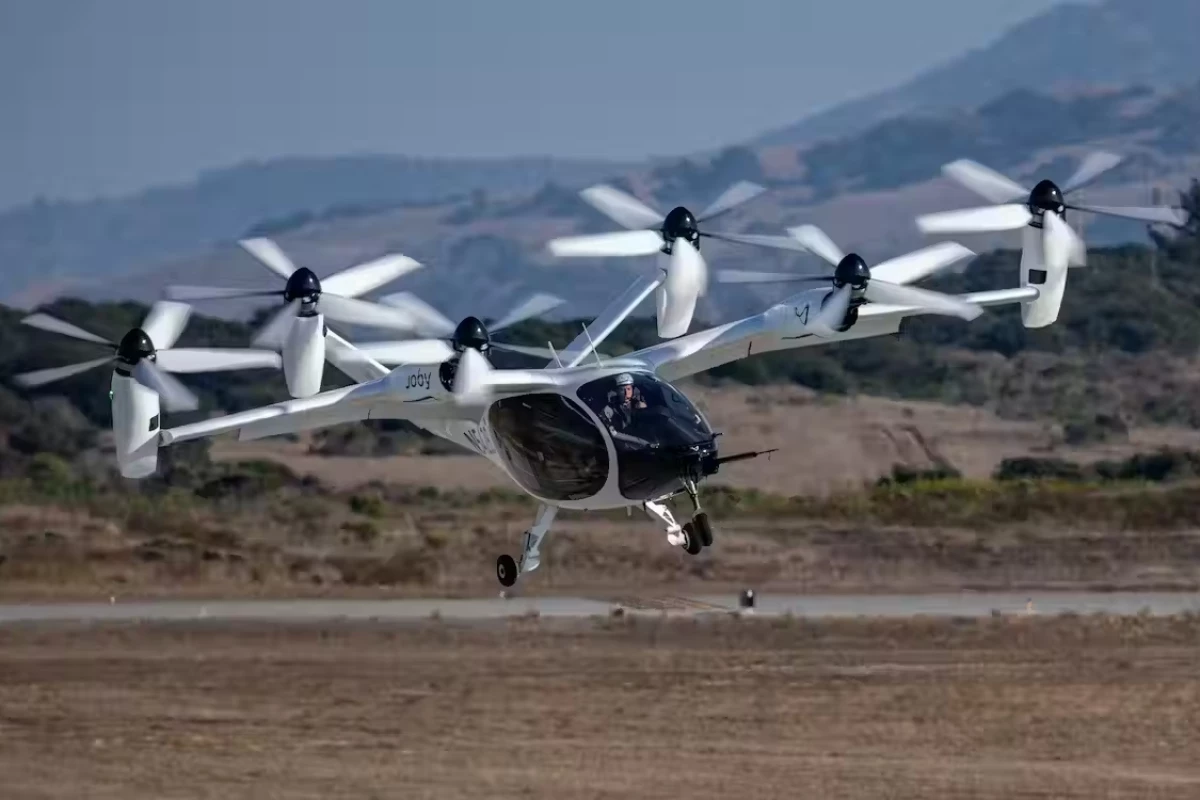
Civil Aviation Resources Network, June 13, 2025: According to Defense Update, on June 6, 2025, President Trump signed an executive order marking a decisive shift in the United States' attitude towards the emerging field of unmanned aerial vehicle systems (UAS, commonly known as drones) and electric vertical take-off and landing (eVTOL) aircraft. The order, titled "Unleashing American Drone Dominance," aims to accelerate the safe commercialization of these technologies and their integration into national airspace, while strengthening the domestic industrial base and expanding the export of trusted American-made drone technology.
The executive order first recognizes the transformative potential of drones in multiple industries such as logistics, infrastructure inspection, precision agriculture, emergency response, and public safety. The document emphasizes that emerging technologies such as electric vertical take-off and landing (eVTOL) aircraft will modernize cargo transportation, passenger transportation, and advanced air traffic. To maintain global leadership, the order calls for accelerated testing, routine drone operations, and expanded domestic production, all with the goal of reducing the United States' dependence on foreign sources and ensuring that the benefits of this technology benefit the American people.
New Rules for BVLOS Drone Operations
For federal agencies, the order sets a clear and ambitious policy framework. It directs the Federal Aviation Administration (FAA) to publish a proposed rule within 30 days to enable routine beyond-visual-line-of-sight (BVLOS) operations for commercial and public safety drones, with a final rule to be published within 240 days. This fast timeline is intended to address long-standing regulatory bottlenecks and open new opportunities for drone applications. The FAA is also required to establish clear metrics to evaluate the performance and safety of beyond-visual-line-of-sight (BVLOS) operations and identify any additional regulatory barriers to provide recommendations for legislation or rulemaking. Within 120 days, the FAA must deploy artificial intelligence (AI) tools to expedite the review of UAS exemption applications, streamline the approval process, and reduce administrative burdens on operators.
eVTOL Operations Pilot Program
The order further requires the establishment of an eVTOL Integration Pilot Program (eIPP), an extension of the BEYOND program designed to accelerate the deployment of safe and legal eVTOL operations. State, local, tribal and territorial governments are invited to submit proposals within 90 days, with private sector partners for each project. At least five pilot projects will be selected within 180 days, focusing on advanced air mobility, medical response, cargo transportation and rural access. The projects are expected to begin operations quickly after selection, and are scheduled to last for three years, with regular reporting to inform future regulatory and legislative actions.
Building a U.S. domestic supply chain
For industry participants, the order is a major opportunity to expand commercial operations and innovate in drone and eVTOL technologies. The emphasis on safe and reliable manufacturing, production and integration, as well as reduced regulatory uncertainty and streamlined approval processes, is expected to promote industry-led innovation and accelerate the commercialization of new applications. The order also prioritizes drones and components manufactured in the United States rather than foreign countries to support the development of a strong domestic industrial base in the United States. Export promotion is also a focus, and the U.S. Secretary of Commerce will be responsible for reviewing and, if necessary, revising export control regulations to promote and accelerate the export of U.S.-made civil unmanned aerial systems (UAS) to global markets.
By accelerating regulatory reform, promoting industry innovation, and strengthening national security, this order enables the United States to fully benefit from drone and eVTOL technologies. Its far-reaching impact lays the foundation for a new era of advanced air mobility and technological sovereignty.