

Qantas takes delivery of its first Airbus A321XLR
low price Medium B obstruction light,
Medium A obstruction light suppliers,
low price Medium A obstruction light,
Cheap High intensity warning light B.
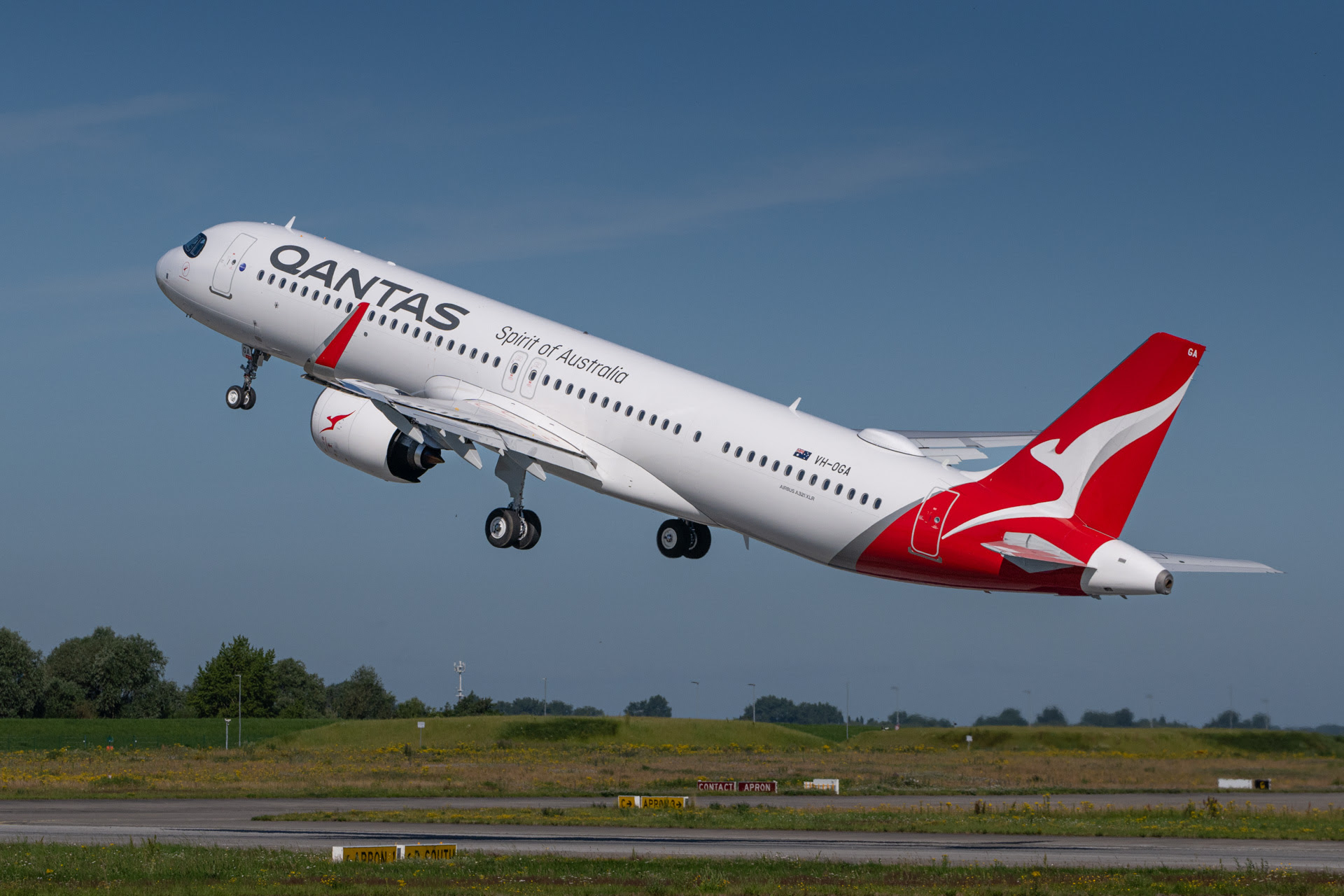
Civil Aviation Resources Network reported on July 3, 2025: With Qantas receiving its first ultra-long-range Airbus A321XLR aircraft in Hamburg, Germany, the Australian airline is about to become the first operator of this latest generation of single-aisle aircraft in the Asia-Pacific region.
The A321XLR departed from Hamburg to Sydney, with only one stop in Bangkok for crew rest, fully demonstrating its powerful long-range flight capabilities.
Qantas' A321XLR is equipped with Pratt & Whitney GTF engines and adopts a two-class cabin layout, with 20 seats in business class and 177 seats in economy class. Qantas will initially use the A321XLR to fly domestic routes in Australia, and is expected to open routes to Asia in the future.
As part of its fleet modernization program, the Qantas Group has ordered a total of 40 A321XLRs, of which 28 are allocated to Qantas and 12 will be received by its low-cost airline subsidiary Jetstar. In addition, Qantas' Airbus aircraft reserve orders also include 128 single-aisle aircraft and 24 A350-1000 wide-body aircraft.
The ultra-long-range A321XLR is the next-generation revolutionary model of the Airbus A320neo series aircraft, which can meet the market's demand for longer range and payload, creating more operational flexibility and value for airlines.
The ultra-long-range A321XLR has a range of up to 4,700 nautical miles and reduces fuel consumption per seat by 30% compared to previous-generation competing aircraft. To date, Airbus has received orders for more than 500 A321XLRs.
Like all Airbus aircraft, the A321XLR is currently capable of flying with up to a 50% blend of sustainable aviation fuel (SAF). Airbus aims to have all its aircraft flying with up to 100% SAF fuel by 2030.