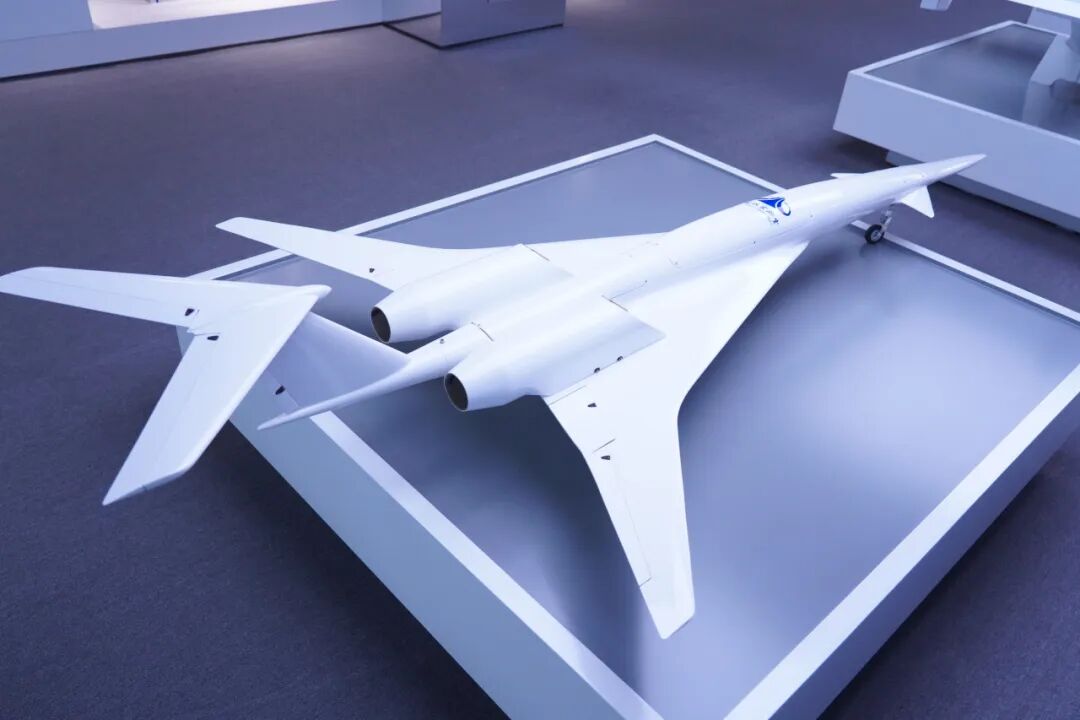
A flight from Beijing to Shanghai in just half an hour-supersonic passenger jets are on the way.
Cheap frangible flange,
frangible flange price,
airport portable light,
Beacon light suppliers,
At the recently concluded China Aviation Science and Technology Conference in Wuxi, Jiangsu, supersonic passenger aircraft emerged as a focal point among major scientific and technological challenges for the aviation sector in 2026. A Chinese team is currently concentrating its efforts on a breakthrough aimed at achieving a "Beijing-to-Shanghai trip in under 30 minutes" in the future.
Meanwhile, NASA's X-59 "Quiet SuperSonic Technology" (QueSST) demonstrator broke the sound barrier during a test flight this June, while the private company Boom Supersonic is targeting a commercial launch window around 2030 for its Overture aircraft. Concurrently, the U.S. is moving to lift restrictions on supersonic flight over land.
With signals of regulatory easing on one hand and continuous technological progress on the other, a "second wave" of supersonic passenger aviation is rapidly taking shape.
Why have fighter jets long been capable of supersonic flight, while civil aviation lags behind?
The answer lies not in whether the aircraft *can* fly, but in whether they can fly sustainably, economically, and in compliance with regulations.
**Differing mission profiles:** Fighter jets are built for combat, typically cruising at subsonic speeds and performing short bursts of supersonic flight (though some models have achieved supersonic cruise capability). In contrast, supersonic passenger aircraft must maintain a cruise speed of Mach 1.5–2 at high altitudes for extended periods, placing sustained, high-load demands on engines, structural integrity, and thermal management systems.
**Propulsion system differences:** Fighter jets generally use engines equipped with afterburners; while these generate immense thrust for short durations, they consume fuel at extremely high rates. Civil airliners require sustainable supersonic cruise thrust without afterburners, while also meeting strict noise and emission standards-a technical challenge far more complex than simply achieving a single supersonic flight.
**Aerodynamic and structural trade-offs:** Supersonic flight generates intense shock waves and aerodynamic heating, necessitating thinner wings, complex air intakes, and high-temperature-resistant materials. These requirements compromise takeoff and landing performance, payload capacity, and range, while significantly driving up manufacturing and maintenance costs.
**Regulations and social acceptance:** Since the 1970s, the U.S. and other nations have banned or strictly limited supersonic flight over land. The primary reason is the "sonic boom" generated during flight, which causes severe noise disturbance on the ground; civil aircraft must strictly adhere to airworthiness and noise regulations. In other words, the challenge for supersonic airliners lies not in "breaking the sound barrier," but in "suppressing the sonic boom, reducing fuel consumption, and meeting regulatory compliance."
Historically, only two supersonic airliners entered commercial service: the Anglo-French Concorde and the Soviet Tu-144. While they demonstrated technical feasibility, they also exposed the lack of commercial viability-specifically, route restrictions due to sonic booms, poor economics, and pressures regarding environmental impact and safety.
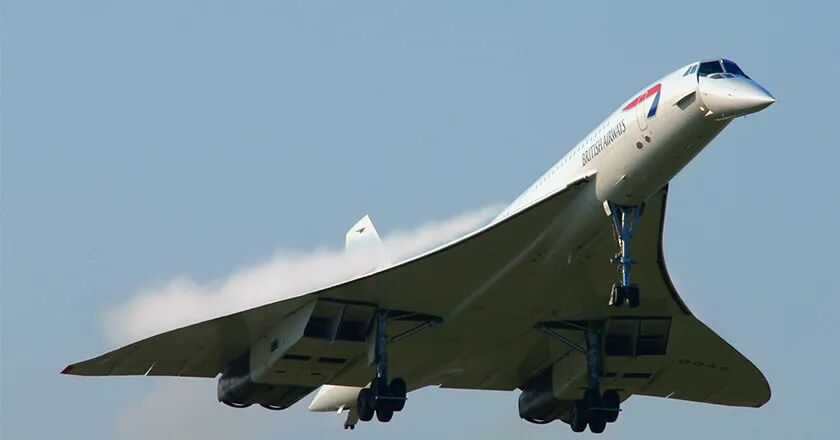
This is precisely the critical challenge that the new global wave of supersonic airliner development must directly address.
Global Supersonic Airliner Development
On June 5, 2026, NASA's X-59 demonstrator aircraft broke the sound barrier for the first time. This milestone marked its transition from subsonic envelope testing to the supersonic testing phase-officially entering the stage of acoustic validation-during which the characteristics of its ground sonic boom during supersonic flight will be systematically measured.
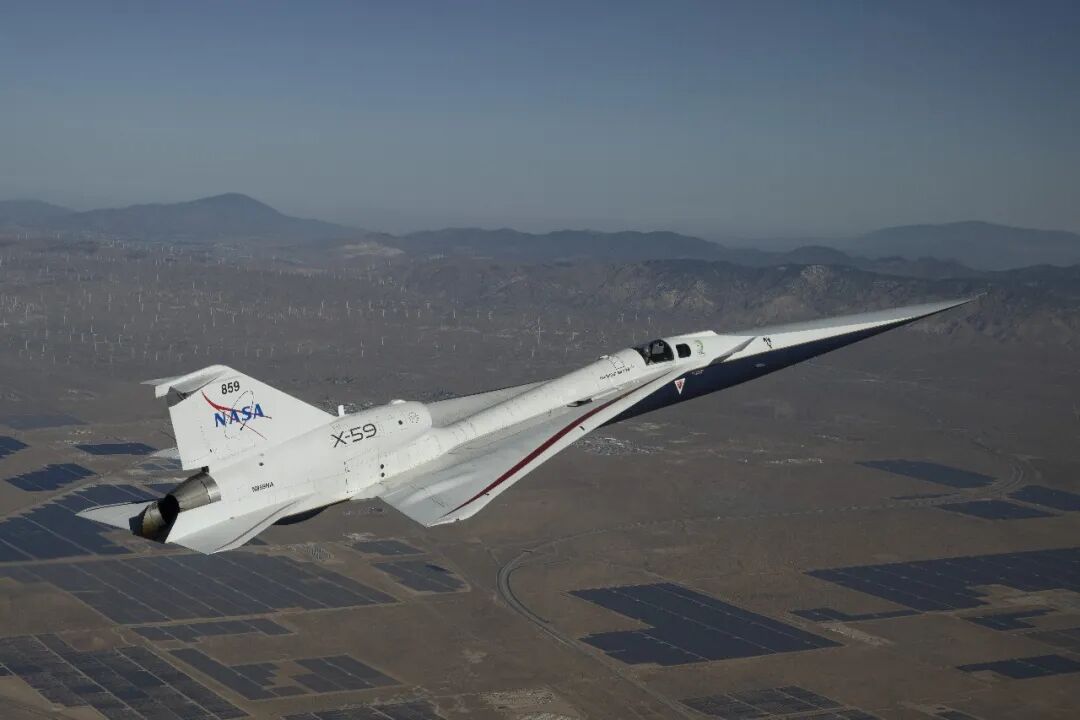
Even more critical is the shift in regulation: a 2025 White House executive order directed the FAA to advance the replacement of speed bans with noise standards-thereby permitting overland supersonic flight that produces no sonic boom-and to establish a timeline for these noise standards.
On January 28, 2025, the XB-1 demonstrator aircraft developed by the private U.S. company Boom Supersonic completed its maiden supersonic flight, reaching a speed of Mach 1.122.
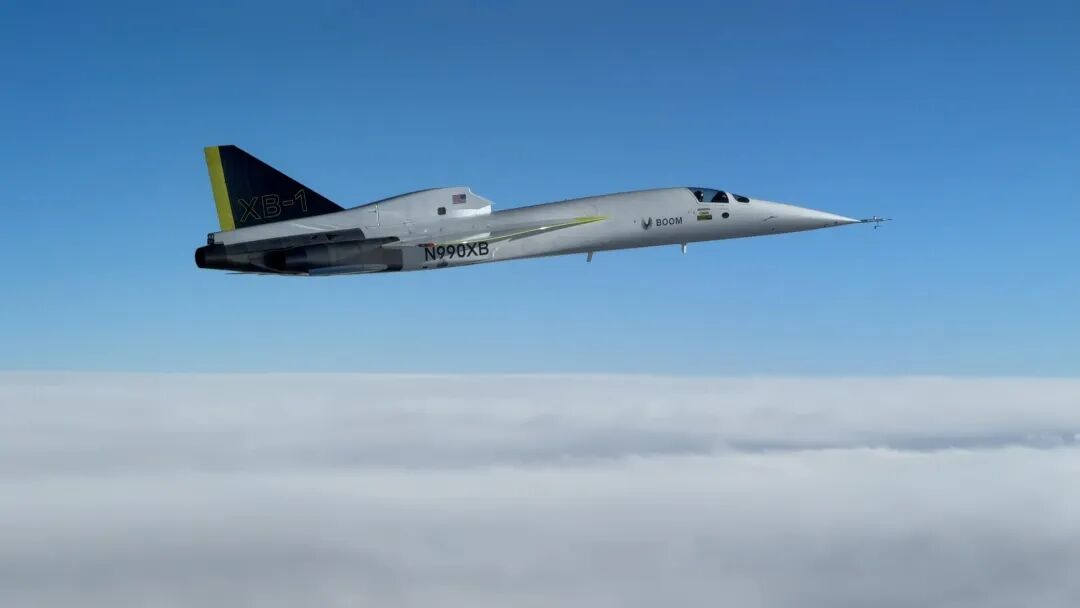 The XB-1 is a one-third-scale technology demonstrator for the "Overture" commercial supersonic airliner currently being developed by Boom. The Overture is designed for a cruising speed of Mach 1.7 and a top speed of Mach 2.2, with a maximum range of 4,250 miles and a seating capacity of 64 to 80 passengers.
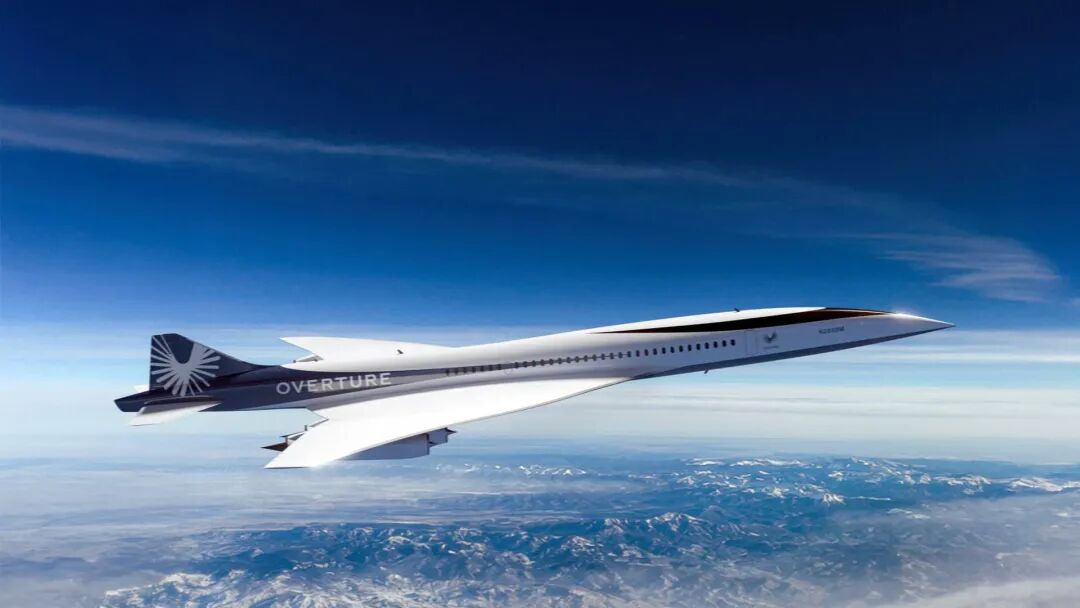
According to Boom's plans, the first complete aircraft is expected to roll off the assembly line in 2026, with a maiden flight targeted for 2027 and commercial operations aimed for 2029–2030.
In addition to Boom and NASA, other demonstration projects-such as Hermeus's Quarterhorse-are also underway.
Chinese scientists are also exploring ways to reduce noise from supersonic passenger aircraft. In 2025, a scaled-down demonstrator developed by Tianmushan Laboratory completed low-speed flight tests; the aircraft features a "three-surface plus T-tail" aerodynamic configuration designed to disperse and soften the shockwaves that typically concentrate at the front of the aircraft.
Tianmushan Laboratory plans to conduct supersonic flight tests by the end of 2026, aiming to ensure the sonic boom generated by the aircraft does not exceed 80 decibels.