

Multiple flights at Beijing Daxing International Airport were diverted!
Airport Siderow Light factory,
Heliport Final Approach Light,
Heliport Beacon Light factory,
Solar Medium Intensity Type B,
According to the Beijing Meteorological Bureau, from 6 PM to 8 PM on February 21, 2026, strong winds were observed in western and southern Beijing, with some areas in Yanqing, Mentougou, Fangshan, Changping, Haidian, Fengtai, Daxing, and Tongzhou experiencing winds of level 9 or higher. The maximum wind speed in the urban area was 27.1 meters per second (level 10, Beigong Primary School in Fengtai District). Due to the rapid southward movement of the dust storm, visibility in most parts of Beijing is gradually improving, although some areas in the south still have visibility of 3-5 kilometers.
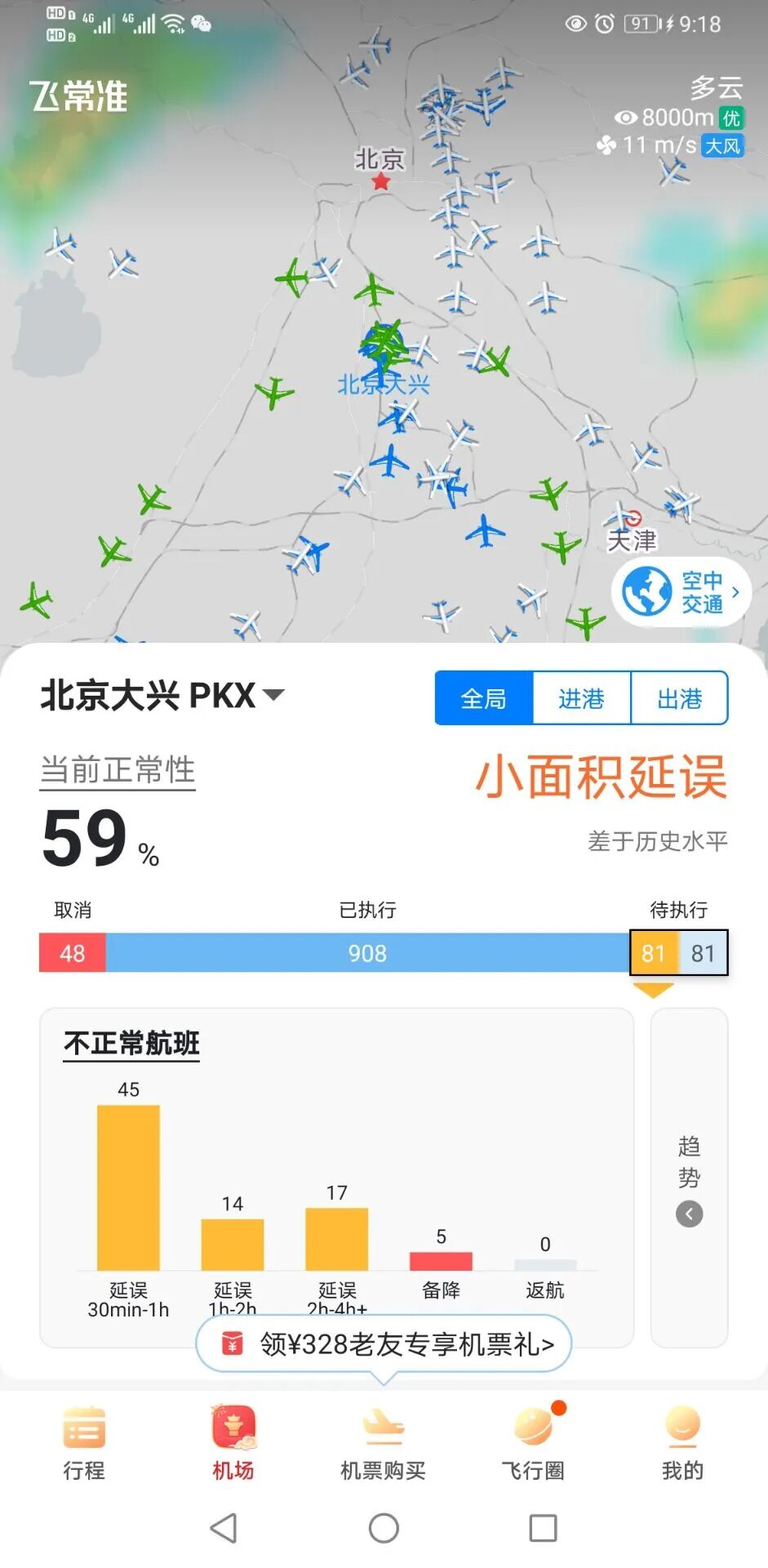
According to data from FlightAware, Beijing Daxing International Airport has cancelled 48 flights and delayed 76 flights.
On social media platforms, several passengers posted that their flights had made an emergency landing and experienced turbulence during the descent.

Popular Science: The Impact of Sandstorms on Flight
In meteorology, a sandstorm is a phenomenon where strong winds lift dust and sand from the ground, reducing horizontal visibility to less than 1 kilometer. Because sandstorms can rapidly worsen visibility and are accompanied by strong winds, they severely impact flight safety.
Besides causing severe visibility and affecting flight, sandstorms can also severely interfere with radio communications due to the significant attenuation of electromagnetic waves caused by the flying sand particles and the static electricity generated by the friction between the aircraft surface and the small sand particles. Large amounts of sand entering the engine and airframe can also cause a series of mechanical or electrical malfunctions, such as wear and tear on engine parts, oil line blockages, and poor conductivity.
During sandstorm weather conditions, air traffic control departments implement runway instrument landing systems (ILS) according to airport weather standards to direct flights, adjust flight intervals, control airflow, and ensure the safety of flights arriving at and departing from the airport.
Depending on the precision of the ILS, the approach and landing standards provided to aircraft vary; therefore, ILS can be classified into Category I, II, and III standards.
Category I ILS (Instrument Landing System) requires a forward visibility of at least 800 meters (half a mile) or a runway visual range (DVR) of at least 550 meters, and a minimum decision height of at least 60 meters (200 feet) for landing.
Category II ILS requires a forward visibility of at least 400 meters (1/4 mile) or a runway visual range (DVR) of at least 350 meters, and a minimum decision height of at least 30 meters (100 feet). Similar to Category I, the autopilot descends to a decision height of 30 meters. If the pilot can visually see the runway, landing can proceed; otherwise, a go-around is required.
Category III ILS requires no effective runway visibility at any altitude, necessitating the pilot's landing decision; there is no decision height.
Both Beijing Capital International Airport and Beijing Daxing International Airport are capable of initiating Category II ILS procedures. Daxing Airport can even utilize Category III ILS equipment to ensure flight takeoffs and landings, further enhanced by the A-SMGCS (Advanced Surface Movement Guidance and Control System).