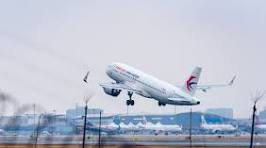
Boeing has regained the authority to issue its own airworthiness certificates before aircraft delivery.
low price low A obstruction light,
Medium intensity obstacle light B,
Medium obstacle light A suppliers,
low price Medium obstacle light A,
The U.S. Federal Aviation Administration (FAA) announced the restoration of Boeing's authority to issue airworthiness certificates for its 737 MAX and 787 aircraft before delivery. This move is seen as a significant signal that Boeing is gradually regaining regulatory trust after years of safety and quality crises.
According to reports, the FAA stated that after a long-term evaluation of Boeing's production quality and inspection processes, it decided to restore its authority to issue airworthiness certificates for these aircraft models to a limited extent, but the work will still be conducted under FAA oversight. The FAA emphasized that in the past, FAA regulators and Boeing engineers alternated in issuing airworthiness certificates for the 737 MAX and 787 aircraft, and the results of their inspections were "highly consistent," providing the basis for this adjustment.
This decision can be traced back to the two fatal crashes of the 737 MAX series aircraft. After the accidents, the FAA tightened its oversight of Boeing, revoked Boeing's authority to issue airworthiness certificates independently, and subsequently implemented stricter reviews and delivery restrictions on the 787 model due to structural and manufacturing defects. As Boeing pushes forward with internal reforms, adjusting its quality management and compliance processes, regulatory authorities are increasingly assessing the effectiveness of these improvements through intensive inspections and data comparisons.
The restoration of self-issuance authority is expected to improve the delivery efficiency of the Boeing 737 MAX and 787, alleviating production bottlenecks and benefiting Boeing's capacity arrangements and cash flow. Simultaneously, this move helps the FAA shift from "aircraft-by-aircraft monitoring" to macro-level oversight of Boeing's overall production system and safety culture. However, it is widely believed that Boeing will need time to fully restore its brand image and public trust.
Furthermore, over the past year, the FAA has gradually relaxed its monthly production display for the 737 MAX, from an initial 38 aircraft per month to 48 aircraft per month this summer.
Analysts believe that against the backdrop of a global aviation market recovery and airlines accelerating fleet upgrades and expansions, Boeing's ability to steadily increase production while ensuring safety and quality will directly impact its competitive landscape with Airbus. The regulatory signal released by the FAA will, to some extent, boost customer and capital market confidence, but for Boeing, consistently delivering on its safety commitments in subsequent production and operations remains a key challenge.