Netizens reported that the temperature inside the terminal was too high; Beijing Capital International Airport responded that it has added temporary cooling equipment.
China Airport Hold Position Light,
Cheap Airport Hold Position Light,
Airport Hold Position Light price,
Taxiway Indicator Light suppliers,
On August 2, 2026, Civil Aviation Resource Network reported that many netizens complained on social media about the excessively high temperature inside the terminal building of Beijing Capital International Airport, saying that "the temperature inside and outside is the same", and some even described it as a "steamer" or "a stuffy can".

Following the online discussion and attention surrounding this issue, media reporters conducted on-site investigations and confirmed that the high temperatures were indeed present in several locations at Beijing Capital International Airport, including the security checkpoint area, the express rail platform, and the food court on the 5th floor.
Beijing Capital International Airport stated that all air conditioning systems within the terminal are currently operating at full capacity, and the airport has added temporary cooling equipment in some areas. Meanwhile, an upgrade project for the overall air conditioning system of the terminal is underway.
A Deep Dive into the Air Conditioning System at Beijing Capital International Airport
Our everyday home air conditioners are relatively simple; they can be started and the temperature adjusted with a single button on a remote control.
However, the air conditioning system inside the airport terminal is different. It's a massive cooling system that uses chilled water to convert the air inside the air conditioner into cold air, which is then distributed throughout the terminal building.
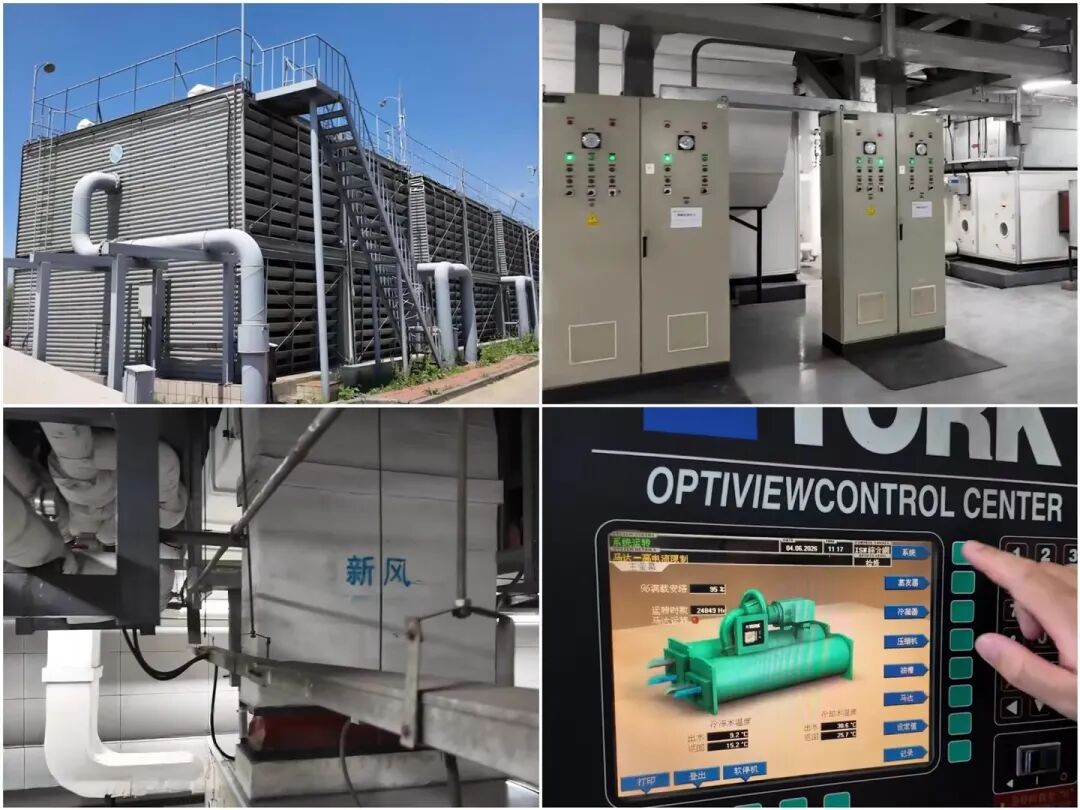
Its equipment scale and energy consumption are enormous and complex.
To give an analogy, all the air conditioners in the terminal building combined are equivalent to 2,500 household air conditioners running simultaneously.
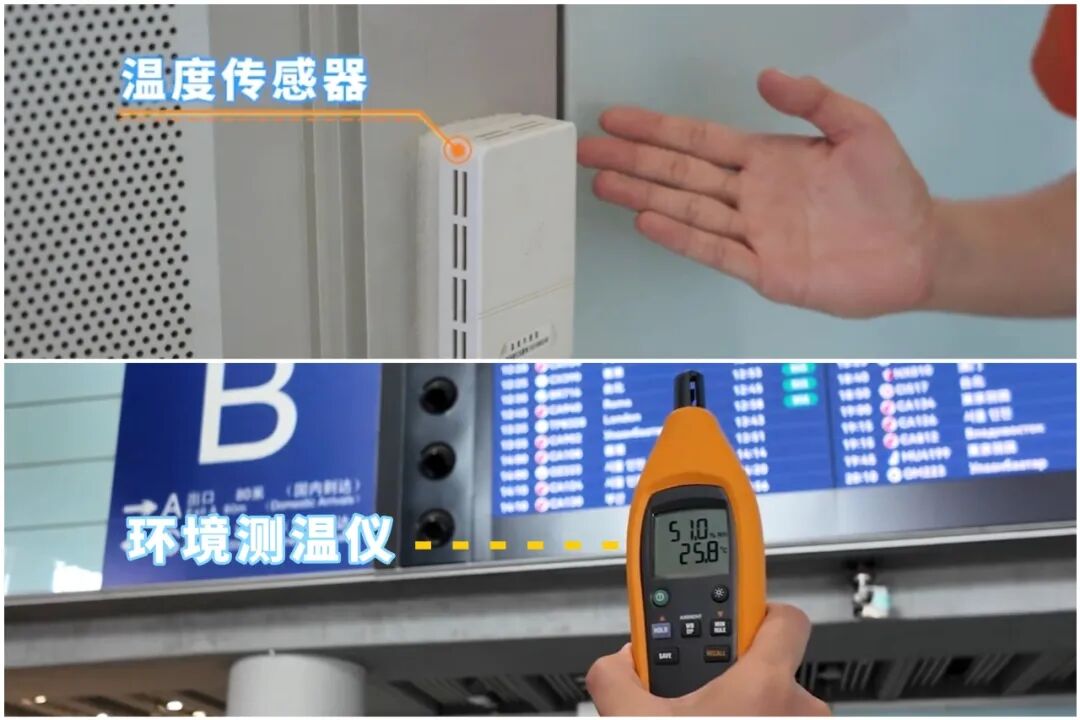
The cooling temperature inside the building is not adjusted arbitrarily based on feeling, but is determined through real-time feedback from temperature sensors combined with on-site temperature measurements by personnel.
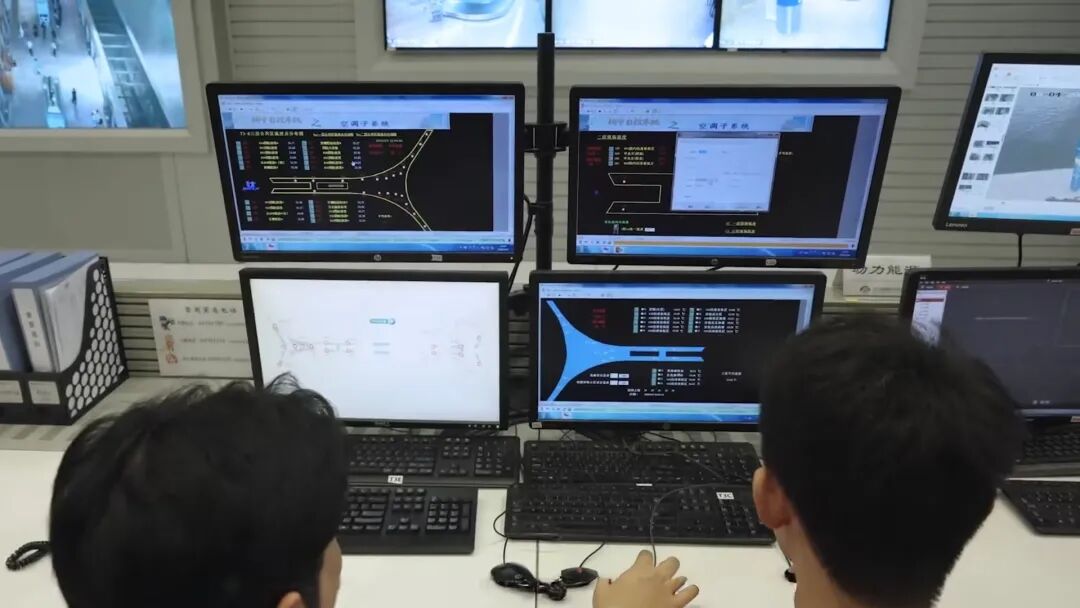
Data is fed back to the building automation control station, allowing staff to adjust the air conditioning equipment in real time and intervene in the temperature within the terminal.
At this point, some may ask: what should the ambient temperature inside the terminal be?
According to the "Beijing Municipality Implementation Measures of the <Energy Conservation Law of the People's Republic of China>" and the requirements of the Municipal Development and Reform Commission, the air conditioning temperature setting in public buildings such as hotels, shopping malls, and office buildings throughout the city must not be lower than 26℃ in summer. Airport terminals fall under the management scope of such public buildings.
Why is there a significant difference in the perceived temperature for passengers in different locations within the building?
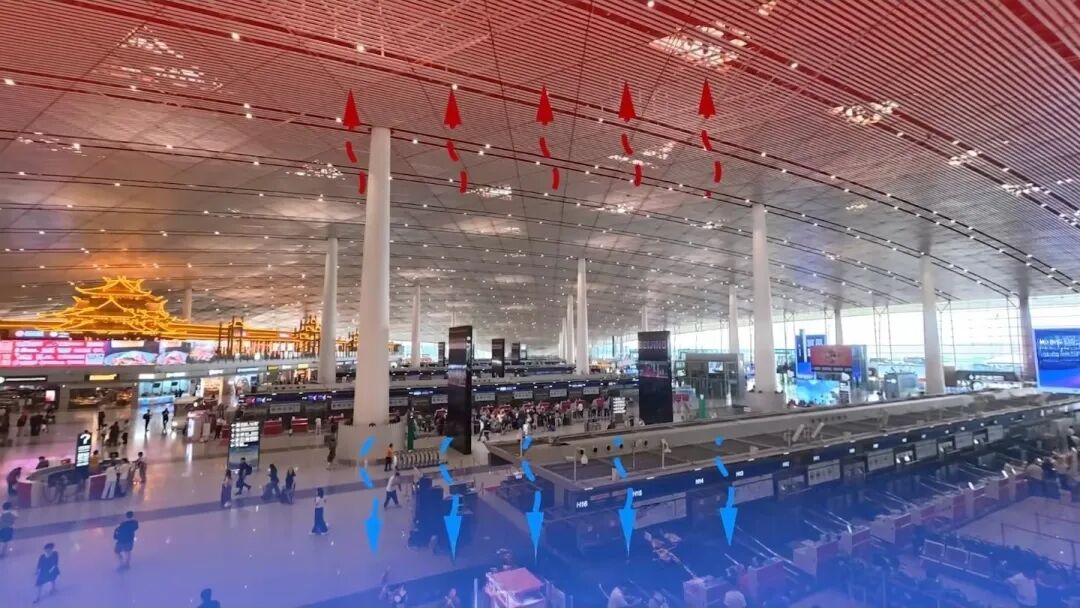
First, the terminal building has a spacious overall layout.
Hot air rises, while cold air sinks.
This results in temperature differences between different floors and at different heights.
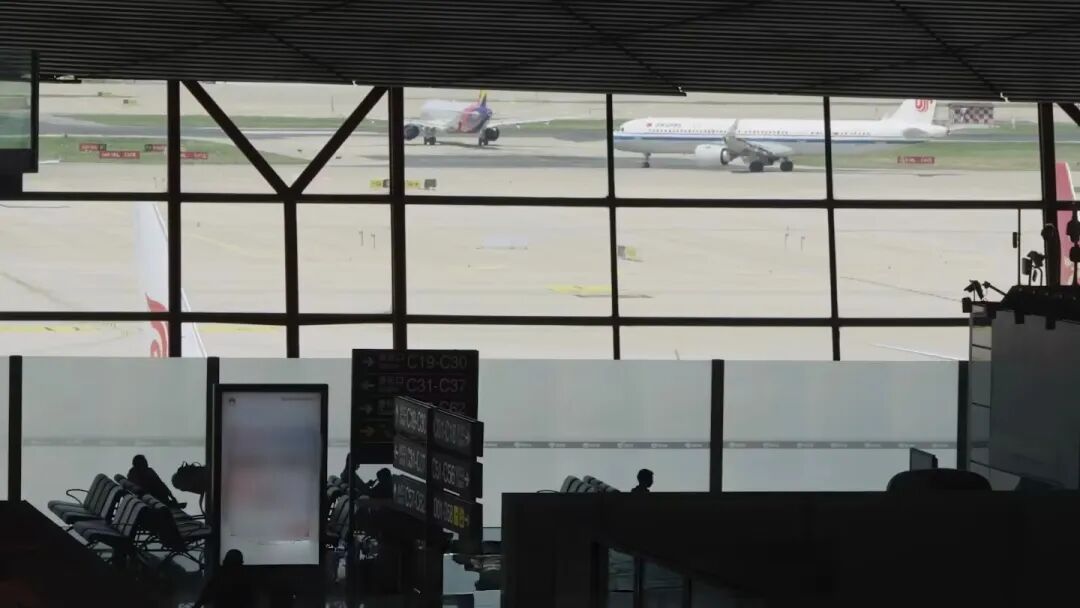
Furthermore, the building's extensive use of glass curtain walls, while allowing light to pass through, also easily absorbs heat, resulting in higher temperatures near the curtain walls or in areas exposed to direct sunlight.
For example, just like in our daily lives at home, the balcony is usually warmer than an air-conditioned room.
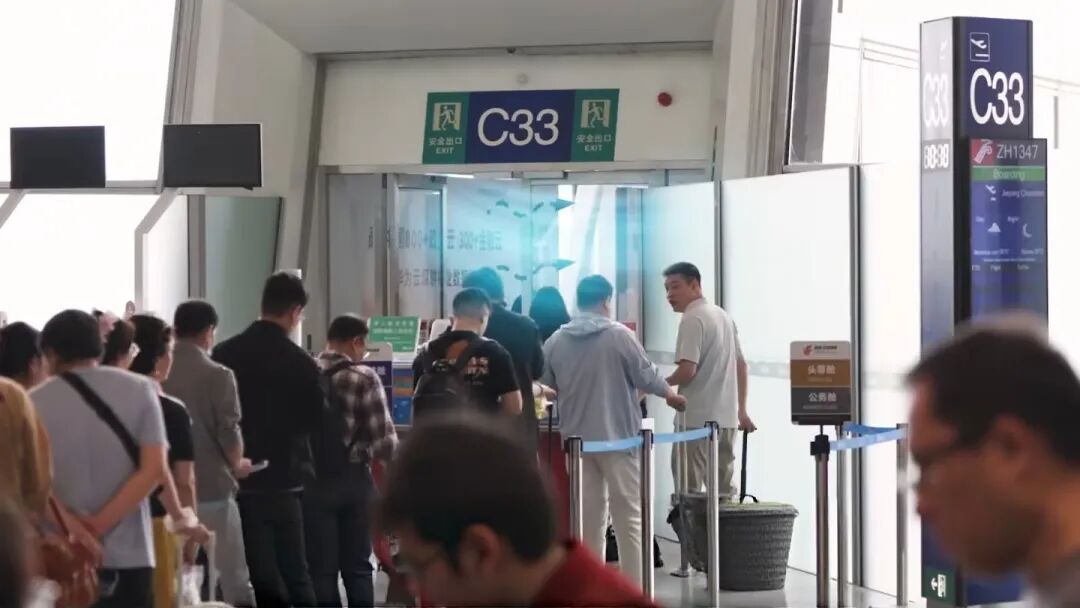 In addition, the high volume of passengers and the loss of air conditioning at entrances and exits are also contributing factors. Especially during peak hours, the perceived temperature will be significantly higher at boarding gates, entrances and exits, airport express rail passageways, and other areas where people gather.
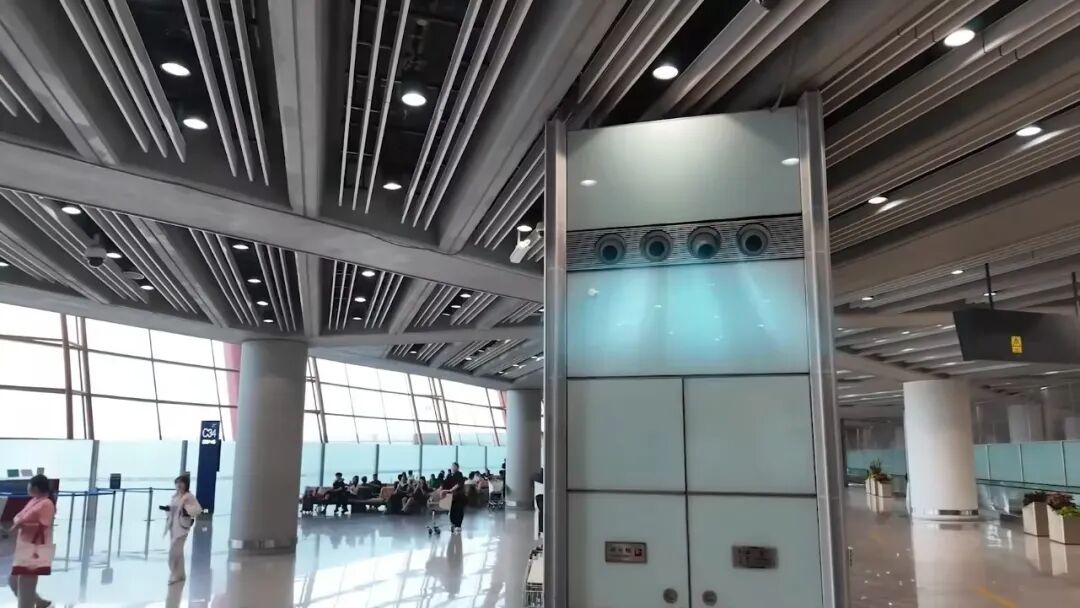 Conversely, since the perceived temperature near the air vents is lower, it is recommended that travelers who are rushing around and sweating profusely do not linger there for extended periods to avoid catching a cold due to the alternating hot and cold temperatures.
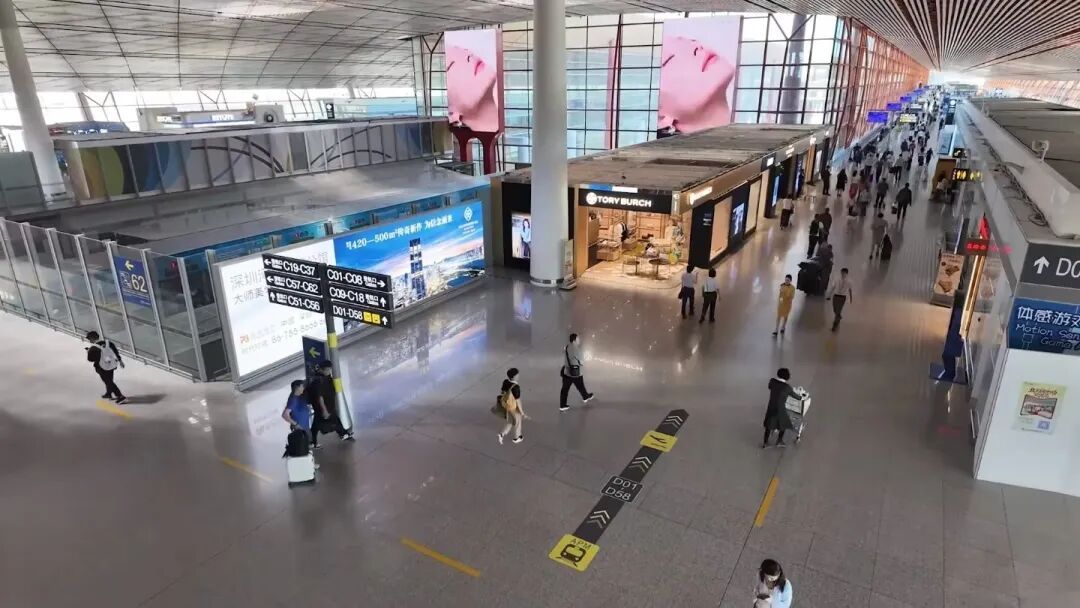
Therefore, it can be seen that everything from individual differences in temperature perception to the large area and complex structure of the terminal building affects people's impressions of its temperature, and multiple factors also bring great challenges to constant temperature control.